







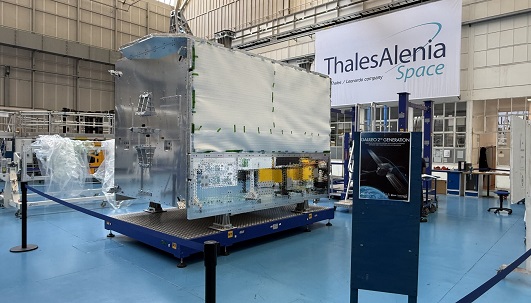
The European Space Agency (ESA) has extended ongoing contracts to build four additional Galileo Second Generation (G2) satellites, ensuring the long-term continuity of the constellation and supporting the rollout of new services. With this procurement, the Galileo Second Generation fleet grows to 16 satellites. París, Oct 27, 2026.- The contractsContinuar Leyendo

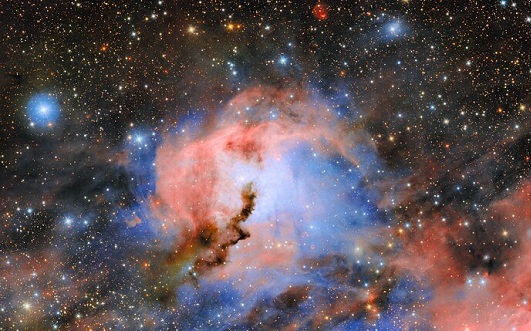
Before Rubin Observatory’s First Look event, its engineering camera captured exquisite details of star formation taking place in the Seagull Nebula. Tucson, Oct 22, 2026.- Two years ago this month, NSF–DOE Vera C. Rubin Observatory’s engineering test camera, named the LSST Commissioning Camera (ComCam), began capturing images of the skyContinuar Leyendo

The 2023 marine heatwave in the Northeast Atlantic broke all records, affecting marine ecosystems and the economy. In 2026, global ocean temperatures were even higher than in 2023. Researchers at the University of Bern have now investigated how long and intense marine heatwaves could become under today’s climate conditions. TheirContinuar Leyendo

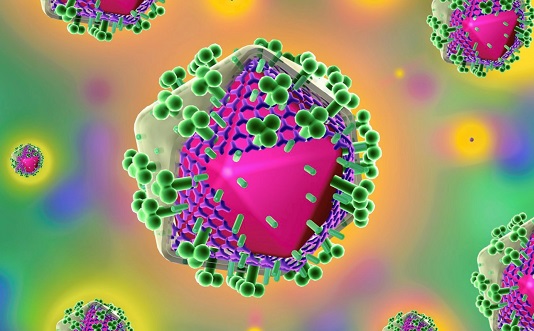
New York, October 13, 2026.- There is no cure for HIV. While scientists have made considerable progress in controlling the infection, patients still must take daily antiretroviral medication for the rest of their lives. Results from a clinical trial led by Rockefeller, Imperial College London, and the University of OxfordContinuar Leyendo

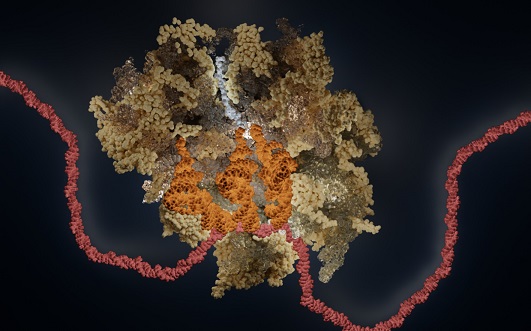
While searching for active compounds that influence fundamental processes in human cells, researchers at the University of Bern discovered a fungal toxin with surprising properties. The toxin shuts down the cell’s “protein factories.” The study provides important insights into one of the most fundamental biological processes – protein production –Continuar Leyendo

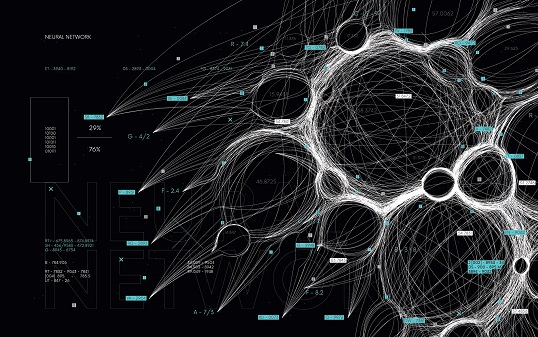
A research team led by the University of Bern has developed a novel learning mechanism for neural networks modeled after the human brain. “Spike-based Alignment Learning” uses random fluctuations in the activity of artificial neurons to reveal asymmetric connections, allowing synapses that are far apart to autonomously align with oneContinuar Leyendo

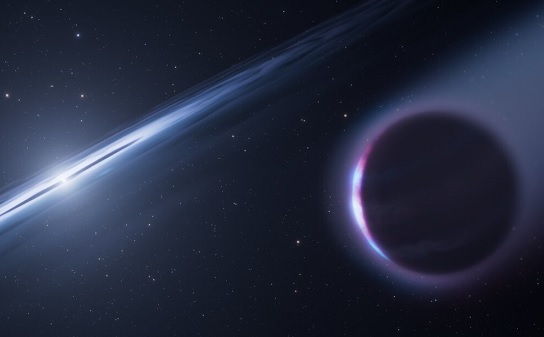
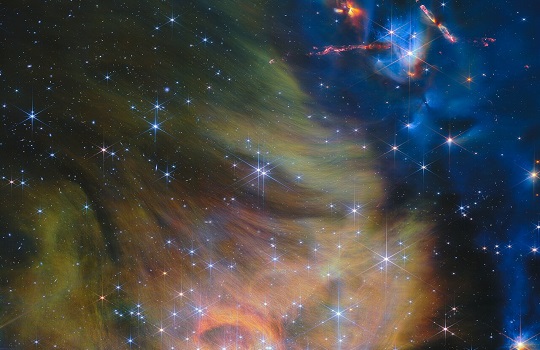
This starry view of the nearby star-forming region IC 348 is one of the largest images from the NASA/ESA/CSA James Webb Space Telescope released to the public so far. Using Webb, astronomers searched IC 348 for brown dwarfs, which are less massive than the smallest stars. The researchers discovered brownContinuar Leyendo